
The development of organoids was honoured with the Animal Welfare Research Prize
Organoids are mini-versions of human organs that can replicate their functions on a laboratory scale. They are used for research into cancer, metabolic functions and infectious diseases, among other things. By using human cells and tissues, research with organoids offers numerous advantages over conventional animal models.
The Federal Ministry of Food and Agriculture therefore awarded this year's Animal Welfare Research Prize for the development of organoids on 22 April 2025. It was awarded to the Dutchman Prof Dr Hans Clevers from the Hubrecht Institut der Royal Netherlands Academy of Arts and Sciences:
Organoid research has great potential to reduce animal testing and at least partially replace it in the future. Prof Clevers and his team have developed a process with which stem cells can be propagated indefinitely and organoids can be cultivated. They can be used to investigate biological and medical questions in basic and translational research and drug development that could previously only be answered with the help of laboratory animals.
https://www.bmel.de/SharedDocs/Pressemitteilungen/DE/2025/032-tierschutzforschungspreis_2025.html
Organoids are also used in a variety of ways in infection research. Here we present some Infect-Net experts who use organoids in their research and thus make an important contribution to reducing animal testing:
Dr Michelle Vincendeau
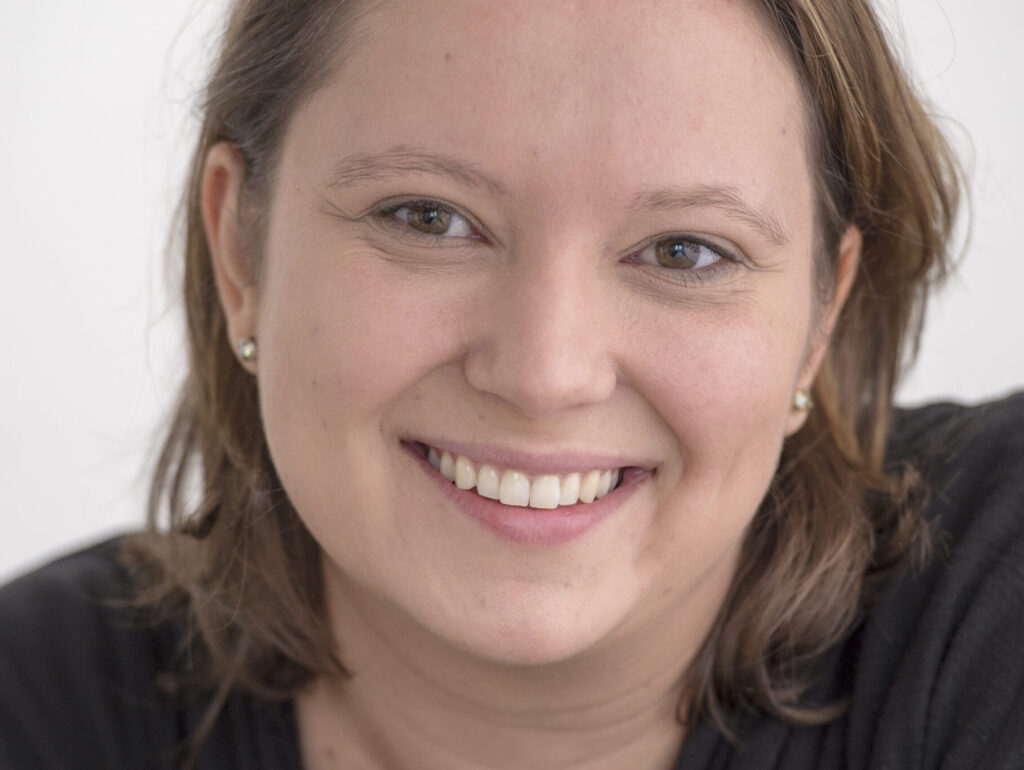
Dr Michelle Vincendeau vom Helmholtz Munich conducts research into human endogenous retroviruses, known as HERVs. These viruses are not independent particles, but part of the human genome and, when activated, can influence the development of organs. Using organoids that simulate the human brain, Michelle Vincendeau and her team are investigating how HERVs influence brain development.
The Munich virologist answered a few questions for us about her research work with organoids:
What new insights have been gained with the organoids?
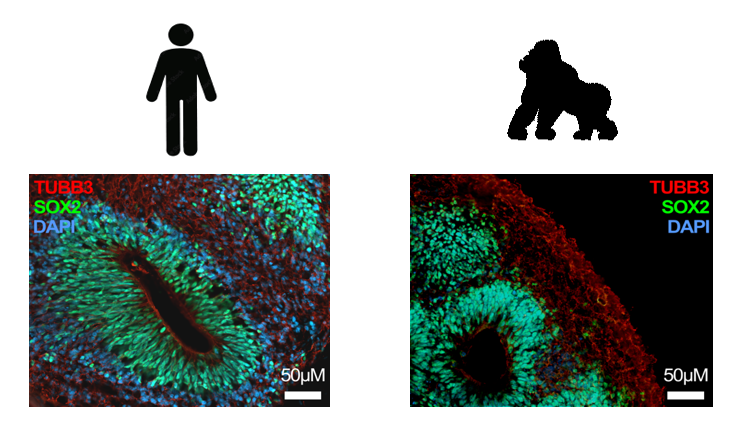
Michelle Vincendeau: With the help of brain organoids, we were able to show that the coordinated switching on and off of certain HERVs is important for the formation of nerve cells and their networking in the human cerebral cortex.
Our work thus provides direct evidence that HERVs are actively involved in the control of early developmental processes in the human brain.
What are the advantages of organoids over animal testing?
MV: Using organoids from human stem cells, we can study the development and function of the human brain directly and at a cellular level. This is only possible to a limited extent with animal models such as the mouse.
Since HERVs are specific to humans, human models are essential to properly capture and understand their functional role.
How do organoids help answer your research questions?
MV: By specifically modulating HERVs using CRISPR technology in brain organoids, we can analyse how the activity of these viruses is linked to the maturation of brain cells and the development of neurological diseases.
The organoids thus enable us to understand both the normal development and pathological changes in the human brain.
Which organoids are used and why?
MV: We produce brain organoids that represent different regions of the brain, in particular organoids of the cerebral cortex. These models are ideal for investigating the role of HERVs in early brain development and neurodegenerative diseases.
Further references can be found at the end of the article.
Prof Dr Stephanie Pfänder
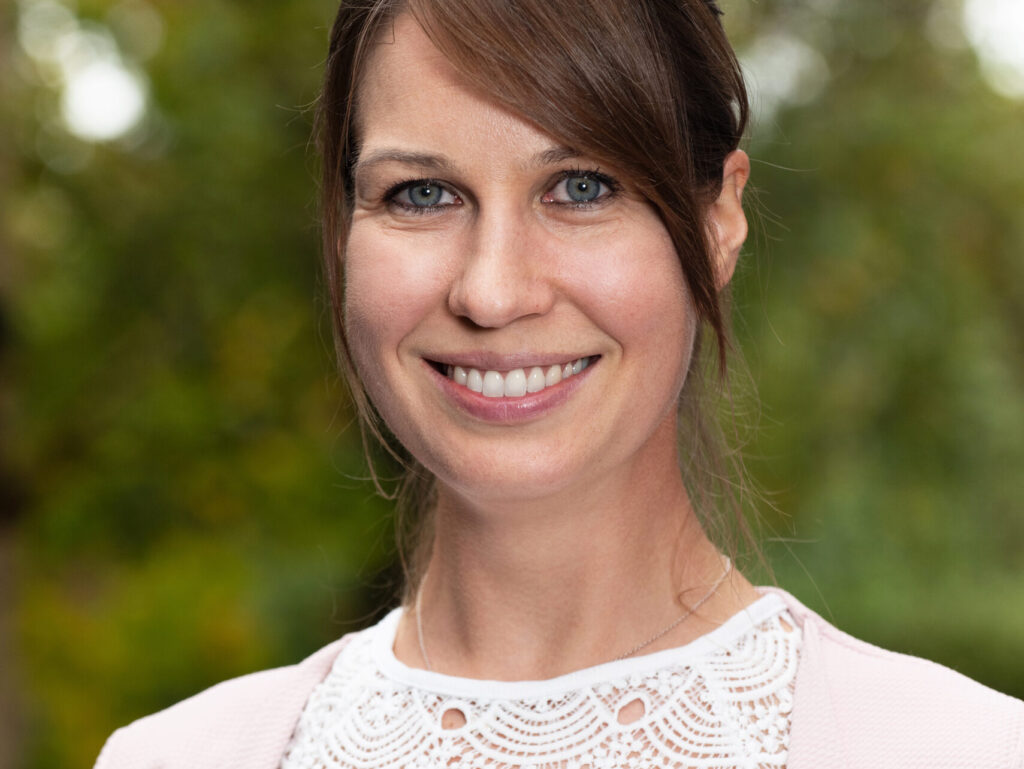
Virologist at the Leibniz Institute of Virology (LIV) in Hamburg is using lung organoidsto investigate how coronaviruses and other emerging viruses spread in tissue. Stephanie Pfänder tells us more about her research and the use of organoids in the LIV's introduction video..
Prof Dr Sina Bartfeld
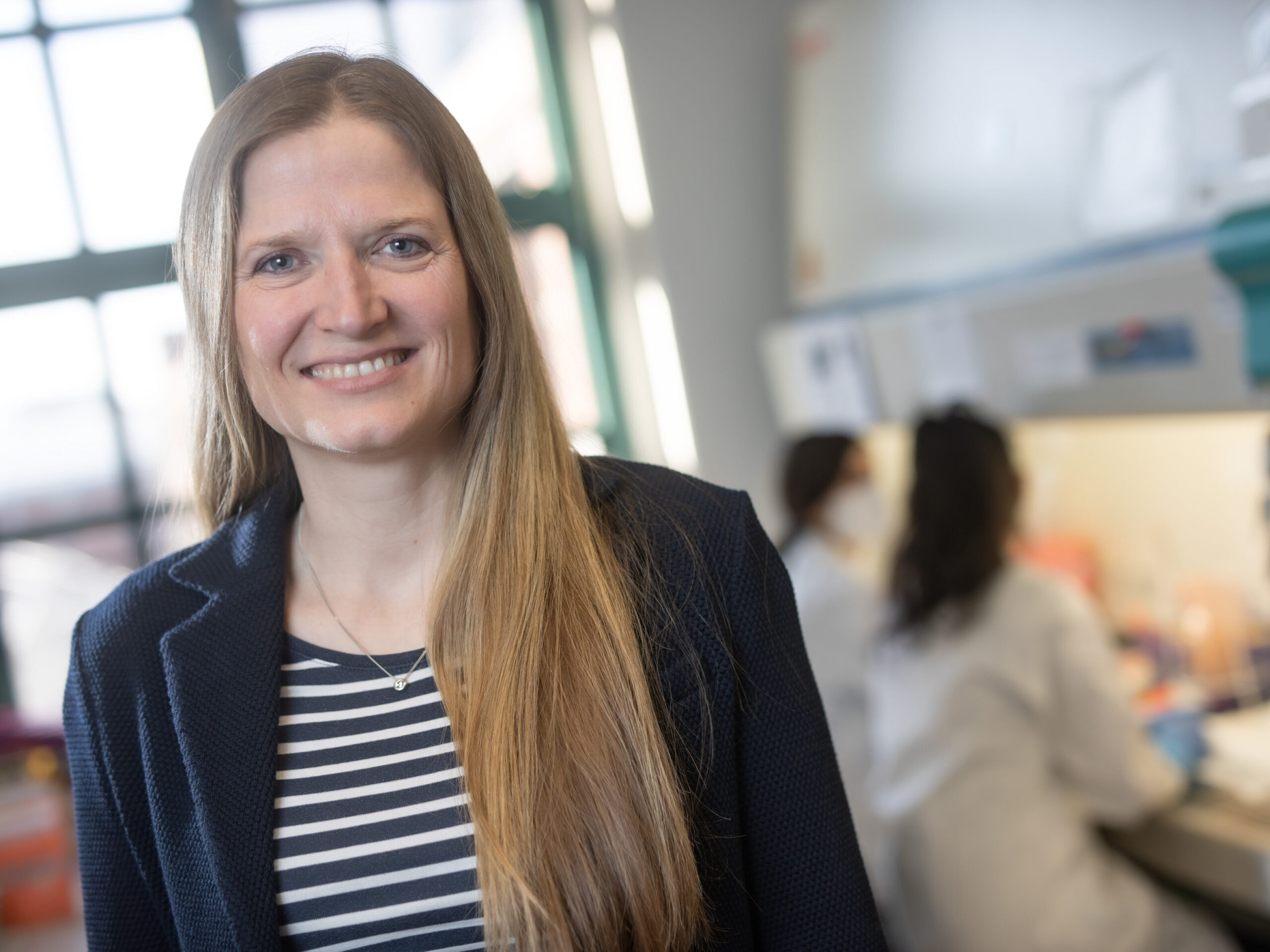
Cell biologist Sina Bartfeld from the Technical University of Berlin is researching chronic inflammation caused by the bacterial stomach pathogen Helicobacter pyloriShe is particularly interested in the processes by which infection with H. pylori leads to serious illnesses and cancer.
Organoids that map the human gastric mucosa and organ-on-a-chip technologies are helping her to establish innovative approaches for the development of drugs and therapies.
Photo: Christian Kielmann
Prof Dr Franziska Faber
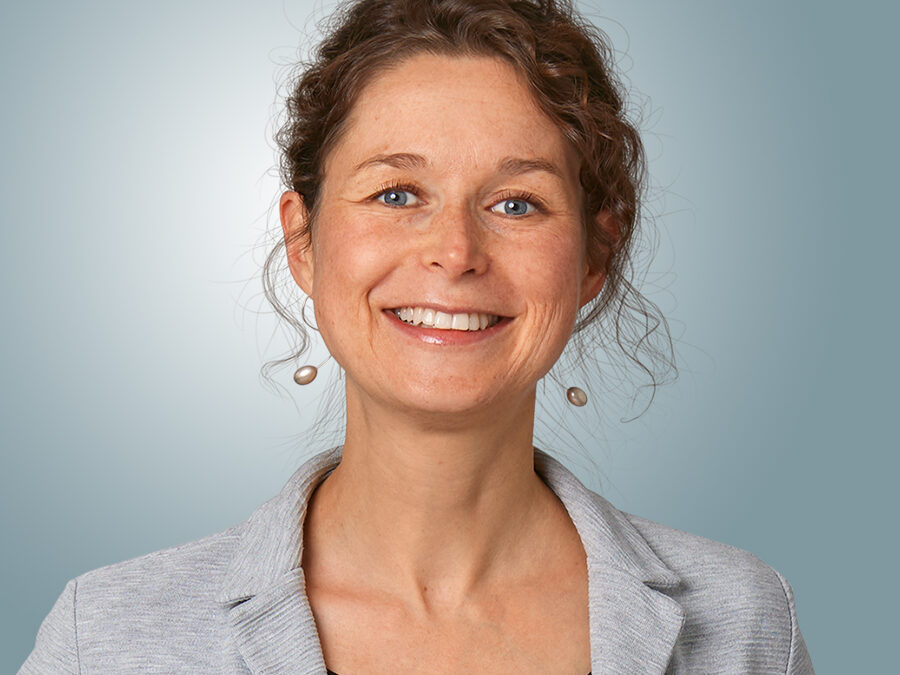
Microbiologist Franziska Faber from the University of Würzburg is investigating how the intestinal bacterium Clostridioides difficile manages to establish dangerous infections. Among other things, she is looking at how bacterial communities change in organoid models of the intestine. an.
Dr Susann Kummer

Virologist Susann Kummer from the Robert Koch Institute is also working on newly emerging and highly dangerous viruses in risk group 4, the handling of which requires sophisticated safety precautions. In muscle and intestinal organoids, Susann Kummer is investigating how viruses multiply in tissue and maintain their stability.
Dr Carmen Aguilar
Microbiologist Carmen Aguilar from the University of Würzburg is researching urinary tract infections caused by pathogenic Escherichia colibacteria. With the help of organoids of the urinary tract epithelium, which mimic natural foci of infection, she hopes to contribute to the development of new therapeutic and treatment approaches for antibiotic-resistant urinary tract infections.
Dr Dr Angelique Hölzemer, MPhD
Immunologist Angelique Hölzemer researches at the LIVhow our body defends itself against viruses. She is investigating this antiviral immune response using the example of the human immunodeficiency virus, HIV. In addition to numerous other research methods, she also uses 3D organoid models of the liver..
Relevant publications from the Vincendeau lab:
- Tschuck J, Padmanabhan Nair V, Galhoz A, Zaratiegui C, Tai HM, Ciceri G, Rothenaigner I, Tchieu J, Stockwell BR, Studer L, Cabianca DS, Menden MP, Vincendeau M*, Hadian K*. Suppression of ferroptosis by vitamin A or radical-trapping antioxidants is essential for neuronal development. Nat Commun. 2024 Sep 1;15(1):7611. doi: 10.1038/s41467-024-51996-1.PMID: 39218970. *Co-last
- Jakobsson J, Vincendeau M. SnapShot: Human endogenous retroviruses. Cell. 2022 Jan 20;185(2):400-400.e1. doi: 10.1016/j.cell.2021.12.028.
- Padmanabhan Nair V, Liu H, Ciceri G, Jungverdorben J, Frishman G, Tchieu J, Cederquist GY, Rothenaigner I, Schorpp K, Klepper L, Walsh RM, Kim TW, Cornacchia D, Ruepp A, Mayer J, Hadian K, Frishman D, Studer L, Vincendeau M. Activation of HERV-K(HML-2) disrupts cortical patterning and neuronal differentiation by increasing NTRK3. Cell Stem Cell. 2021 Sep 2;28(9):1566-1581.e8. doi: 10.1016/j.stem.2021.04.009. Epub 2021 May 4.
Cover picture: Stephanie Pfänder
Michelle Vincendeau | Helmholtz Munich
René Lesnik | Coordination Infect-Net
 English
  German