Infect-Net
German Association of Women in Infection Research
Inform | Promote | Fair Networks


Infect-Net
Inform | Promote | Fair Networks
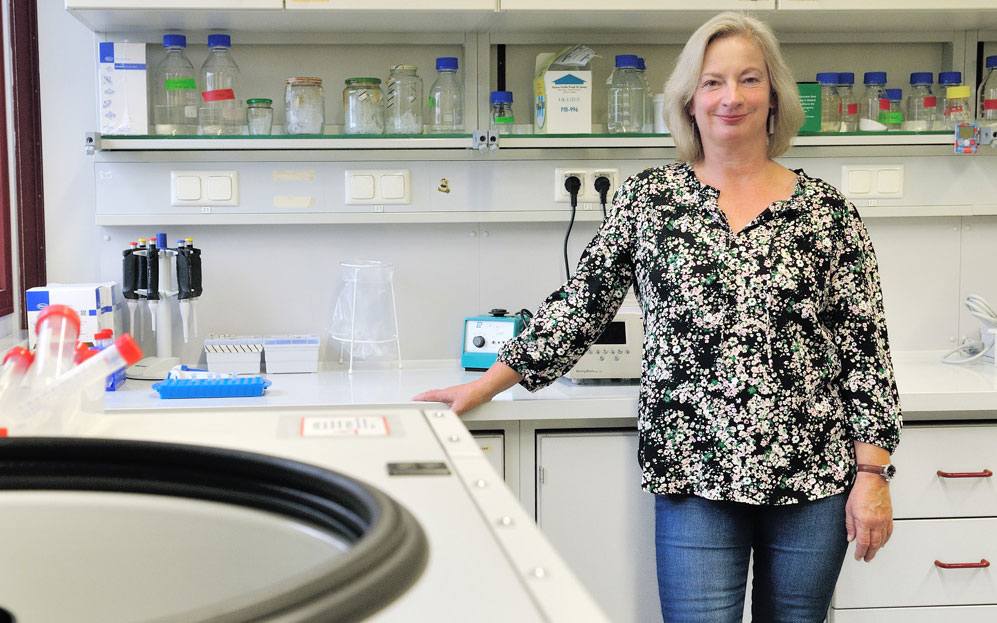
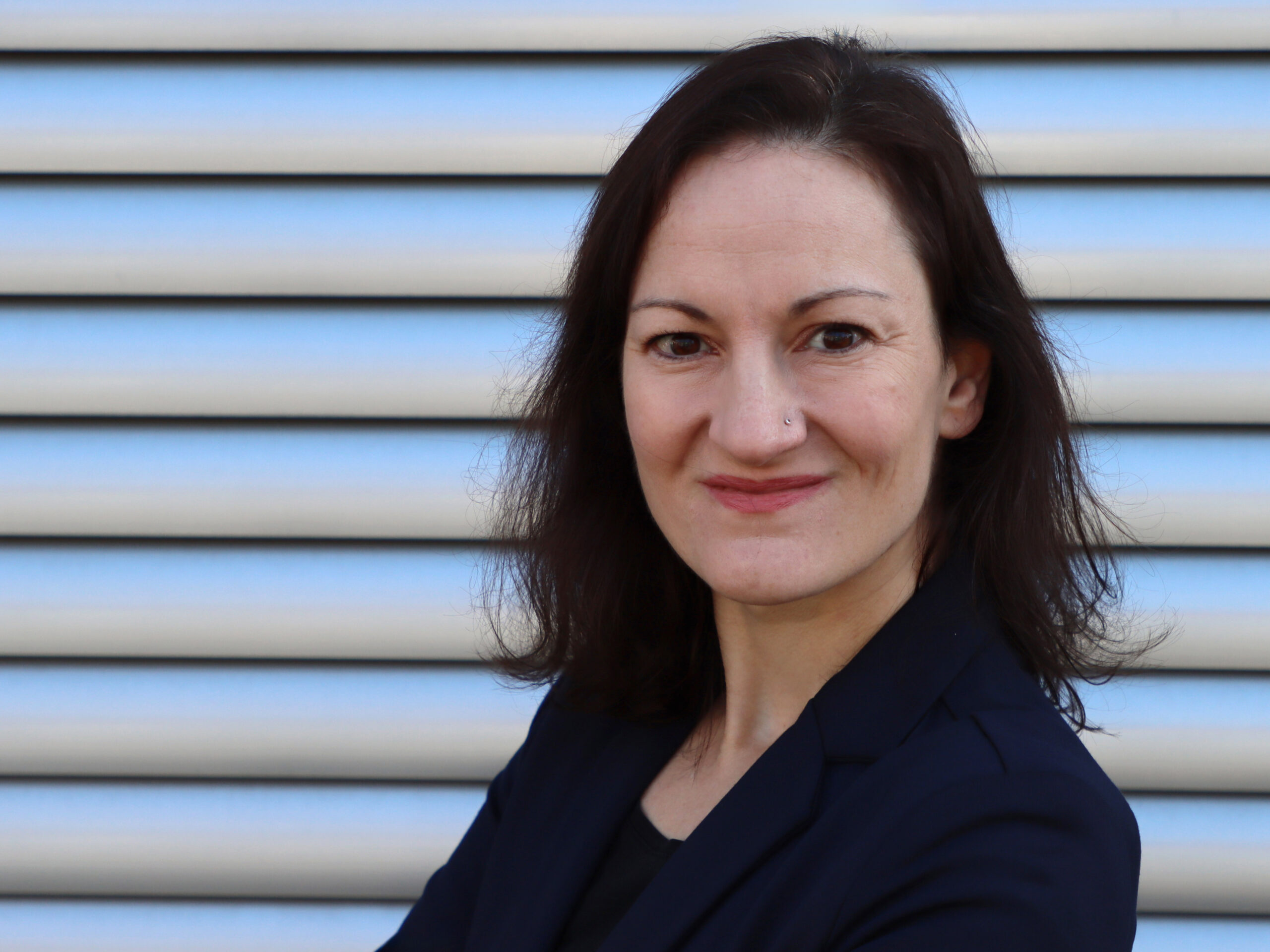
Gabriele Pradel: "We want to ensure our network Infect-Net, a permanent dialogue of infection researchers with society, economy and policy in the sense of a proactive infection enlightenment and the German research landscape in a sustainable and gender-fair shape."
To the tasks of the Infect-Net:
Infect-Net relies on a variety of measures:
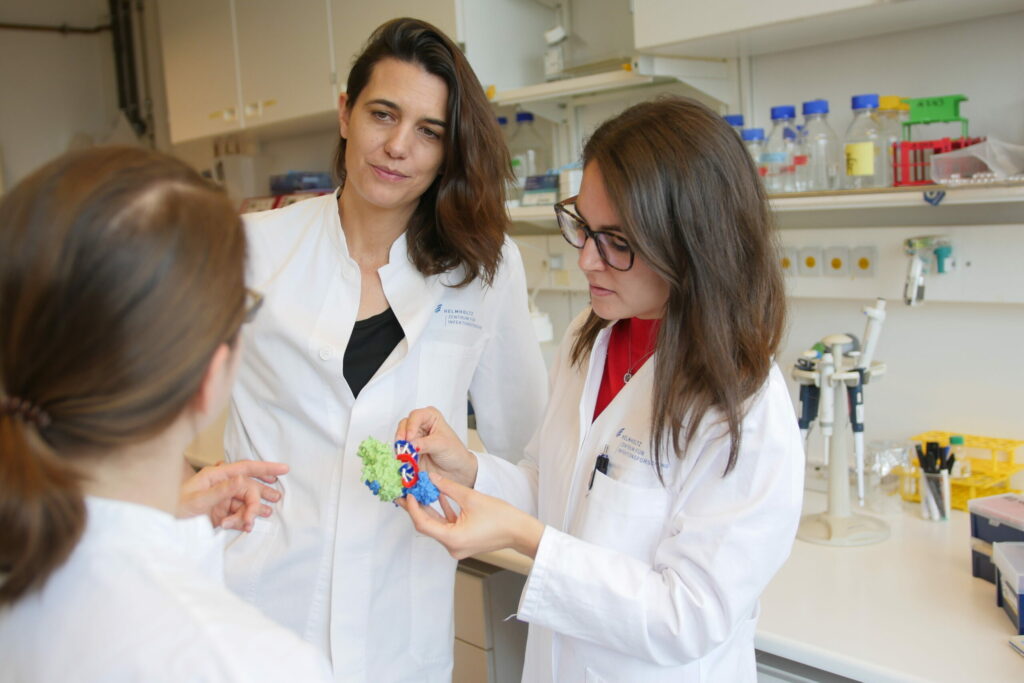
The career advancement: to ask a subject-specific Mentoring.
Members can request advice tailored specifically to their situation.
Here you will find interview partners and speakers on all topics related to infection research.
By clicking on the icons, you can find out which Infect-Net experts are available at the respective institutions.

1) Why do we need a women's network in German infection research?Although there are a large number of female virologists, microbiologists and infection researchers who hold leading positions in German universities and research institutes, they are usually not very visible to the public. The lack of perception of women as scientific experts was particularly evident during the first phase of the COVID-19 pandemic - it was mainly male virologists who appeared in the media and positioned themselves as advisors to politicians.2) Who is behind Infect-Net?Infect-Net was founded as part of the ‘Focus on Innovative Women’ programme of the Federal Ministry of Education and Research (BMBF). The project was initiated by RWTH Professor Gabriele Pradel . The founding team included her colleagues Melanie Brinkmann at the Technical University of Braunschweig, Iris Bruchhaus at the Bernhard Nocht Institute for Tropical Medicine in Hamburg, Sandra Ciesek at the University Hospital Frankfurt, Petra Dersch at the University of Münster, Antje Flieger at the Robert Koch Institute in Wernigerode, Bettina Löffler at the University Hospital Jena, Clarissa Prazeres da Costa at the Technical University of Munich, Ulrike Protzer , also at the Technical University of Munich, Beate Sodeik at the Hannover Medical School. By the end of the funding period in September 2025, more than 200 researchers from all over Germany had already joined Infect-Net.3) What does Infect-Net want to achieve?The scientists at Infect-Net form a national network that was formalised with the founding of the association ‘Verband deutscher Infektionsforscherinnen e.V.’ (German Association of Women in Infection Research) on 25 March 2025. The aim is to increase the visibility of female infection researchers and thus strengthen their position as experts in gender-equitable science communication. Infect-Net seeks in particular to engage in dialogue with society, business and politics in the areas of proactive infection education.4) How does Infect-Net intend to achieve its goals?Our activities include public relations work, setting up and maintaining a database of female experts, networking meetings, workshops, lecture series and mentoring programmes. Infect-Net also aims to highlight suitable role models for young female scientists and thus promote their career paths.5) Who does Infect-Net represent?The target group for the establishment of the association includes female scientists working at German universities or public and private research institutions who represent the field of research into human infectious diseases. They come from the fields of medical microbiology, infectiology and epidemiology and are primarily virologists, bacteriologists, parasitologists and immunologists.If you are interested in becoming a member, supporting our network or have general questions,
we look forward to your message.
Research unit for Cellular and Applied Infection Biology (ZAI) at RWTH Aachen University
Worringer Weg 1 | 52074 Aachen

 English
  German