
Research and medicine have made great progress, but there is a long way ahead of us.
Dr. Cláudia Vilhena, Friedrich-Alexander-Universität Erlangen Nürnberg, Bacterial Interface Dynamics lab
Every 43 seconds a child dies of pneumonia.
Important Facts
- Pneumonia accountsfor 14 % of all deaths in children under 5 years and have led in 2019 to the death of 740 180 children.
- Pneumonia can be caused by viruses, bacteria or fungi.
- Pneumonia can be prevented by immunization, adequate nutrition, and environmental factors.
- Pneumonia caused by bacteria can be treated with antibiotics, but only one third of children with pneumonia receive the antibiotics they need.
Overview
Pneumonia is a form of acute respiratory infection that affects the lungs. The lungs are made up of small sacs called alveoli, which fill with air when a healthy person breathes. When an individual has pneumonia, the alveoli are filled with pus and fluid, which makes breathing painful and limits oxygen intake.
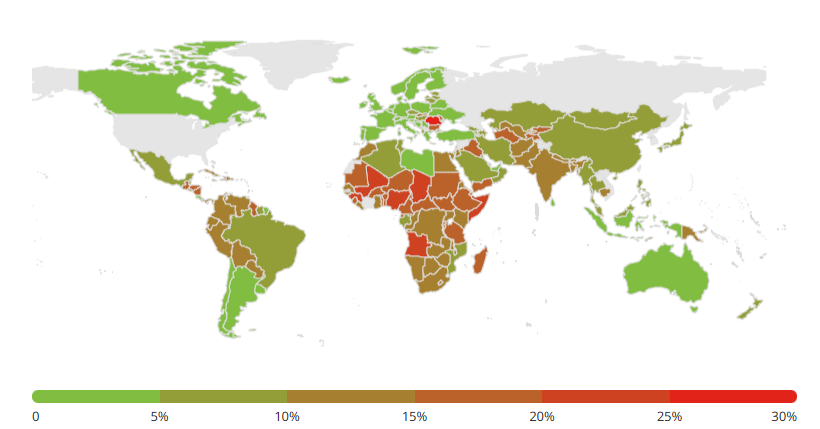
In 2021, pneumonia claimed the lives of 2,2 million people. Pneumonia is the single largest infectious cause of death in children worldwide. Pneumonia killed 740 180 children under the age of 5 in 2019, accounting for 14% of all deaths of children under 5 years old but 22% of all deaths in children aged 1 to 5 years. Pneumonia affects children and families everywhere, but deaths are highest in southern Asia and sub-Saharan Africa. Globally, there are over 1,400 cases of pneumonia per 100,000 children, or 1 case per 71 children every year, with the greatest incidence occurring in South Asia (2,500 cases per 100,000 children) and West and Central Africa (1,620 cases per 100,000 children).
Almost all of these deaths are preventable.
Progress in reducing deaths due to pneumonia in children under 5 has been significantly slower than for other infectious diseases. Since 2000, under-five deaths due to pneumonia have declined by 54 per cent, while deaths due to diarrhoea have decreased by 63 per cent and are now almost half of pneumonia deaths.
Children can be protected from pneumonia, it can be prevented with simple interventions, and it can be treated with low-cost, low-tech medication and care.
Causes
Pneumonia is caused by various infectious agents, including viruses, bacteria and fungi. The most common are the following.
- Streptococcus pneumoniae is the most common cause of bacterial pneumonia in children.
- Haemophilus influenzae Type b (Hib) is the second most common cause of bacterial pneumonia.
- The Respiratory Syncytial Virus (RSV) is the most common viral cause of pneumonia.
- In HIV-infected infants is Pneumocystis jiroveci one of the most common causes of pneumonia and is responsible for at least a quarter of all deaths due to pneumonia in HIV-infected infants.
Key risk factors for pneumonia include air pollution, malnutrition, smoke exposure, HIV infection, and low vaccination rates. For young children, prematurity and lack of breastfeeding are additional risks. Limited access to effective treatment of pneumonia is also a concern, especially in many low- and middle-income countries (LMICs), where healthcare facilities and oxygen systems are often unavailable, particularly for children.
Prevention and future
Pneumococcal conjugate vaccine, a highly effective vaccine preventing pneumonia from S pneumoniae has been available for over two decades but is still not accessible to many children in LMICs. New, highly effective vaccines against RSV are now available. These include vaccines specifically for older adults, a vaccine for pregnant women, and a long-acting antibody to protect infants and young children. However, there is very limited availability of these in countries where pneumonia actually kills.
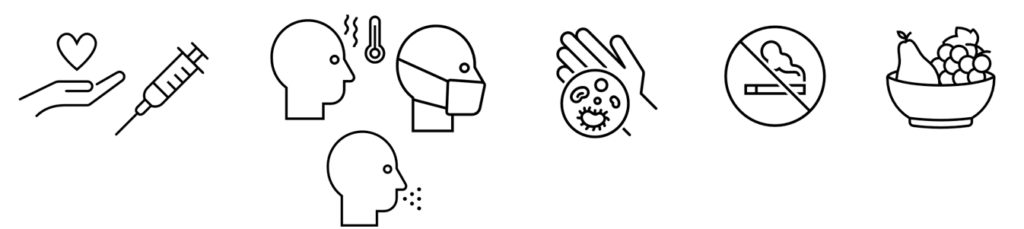
Although pneumonia deaths have substantially declined over the past decade, urgent efforts are still needed to improve access to effective prevention and treatment. On World Pneumonia Day, it’s important to highlight the measures that can and must be taken:
- Ensuring equitable and sustainable access to vaccines against the most common pathogens.
- Ensuring access to new highly effective prevention measures against RSV for infants and young children worldwide.
- Strengthening health systems, in order to take measures to reduce deaths due to pneumonia, including the provision of effective vaccines, antibiotics, and oxygen supply systems.
- Strengthening of the national and international commitment to support action against the most important risk factors for pneumonia.
- Improve the support for the research on cost-effective measures for the prevention and treatment of pneumonia in countries with low and middle incomes.
References:
https://data.unicef.org/topic/child-health/pneumonia
 English
  German