Start > Interview > From Barcelona to Erlangen: Launching the Vascular Infection Lab
From Barcelona to Erlangen: Launching the Vascular Infection Lab
Bioengineering microvasculature on-a-chip models to unravel malaria pathogenesis
Dr. Viola Introini
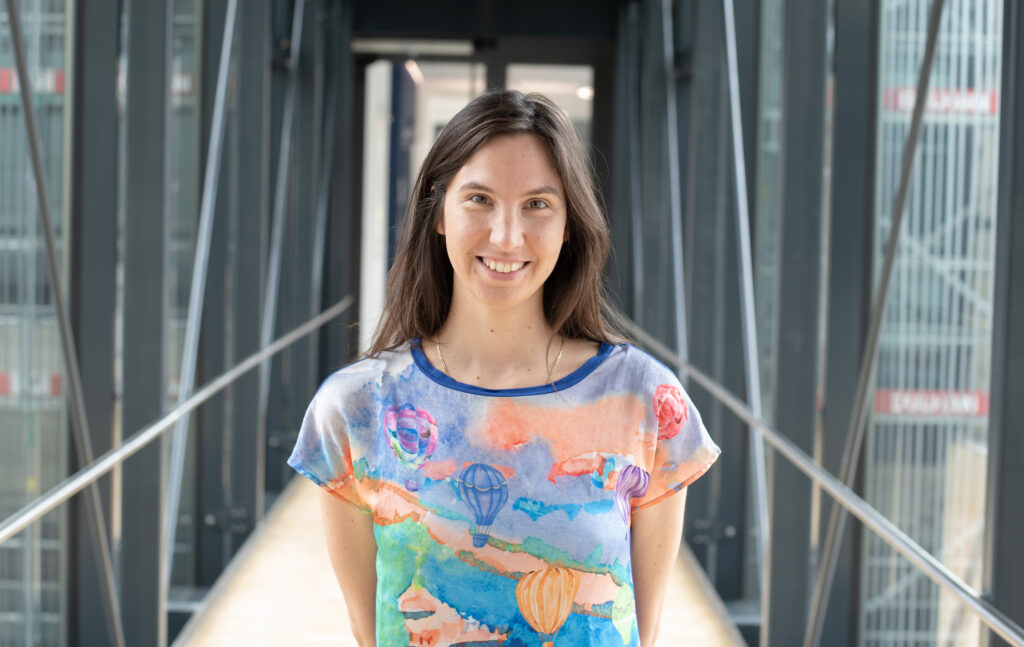
Hello Infect-Net community! I am Viola Introiniand I have just traded sunny Barcelona for fresh Bavarian air as I step in to lead my new research group atthe Max-Planck-Zentrum für Physik und Medizin in Erlangen.
I am thrilled to join this network of brilliant infectious-disease scientists!
Viola Introini started her new Independent Research Group in July 2025 at the Max Planck Institute for the Science of Light and the Max Planck Center for Physics and Medicine in Erlangen.
Who are you and what is your research focus?
“I am a Physicists who fell in love with malaria parasites the moment I saw for the first time their bursting egress during a Summer School in the Lab of Prof Pietro Cicuta, at the Cavendish Laboratory. I immediately decided to pursue a PhD in his group, applying biophysical methods to dissect merozoite-red blood cell interactions.
I used optical tweezers—micrometer-sized traps made of light—and real-time microscopy to study one of the fastest events in malaria: how released merozoites attach to, reorient, and finally invade human red blood cells. This interaction lasts only a few minutes within the 48-hour life cycle of Plasmodium falciparum, the deadliest malaria parasite, and is governed by the mechanics of the cell membrane and the adhesive forces between host and parasite. This work gave me a deep appreciation for the physical side of biology, and a broad toolkit of optical and biophysical techniques for studying host–pathogen interactions.
Live egress and invasion of Plasmodium falciparum merozoites invading nearby red blood cells.
I became fascinated not only by the parasite, but by its environment—how the physical and mechanical properties of human tissues influence infection.
This curiosity led me to the European Molecular Biology Laboratory EMBL in Barcelona, where as a Marie Skłodowska-Curie Fellow in Maria Bernabeu’s lab, I developed bioengineered brain microvessels—in vitro models that mimic the human blood–brain barrier in which we can perfuse circulating cells under controlled flow conditions. I used this extremely versatile platform to 1) identify and screen Malaria-patient derived monoclonal antibodies to prevent infected red blood cells from adhering to blood vessel walls, a key driver of severe malaria symptoms. 2) explore a universal but often overlooked symptom of infection: fever. We found that febrile temperatures actually make infected cells adhere more strongly to the brain vasculature by disrupting the endothelial glycocalyx. The finding suggests a physical mechanism behind disease severity but also raised new questions for traditional clinical treatment strategies.”
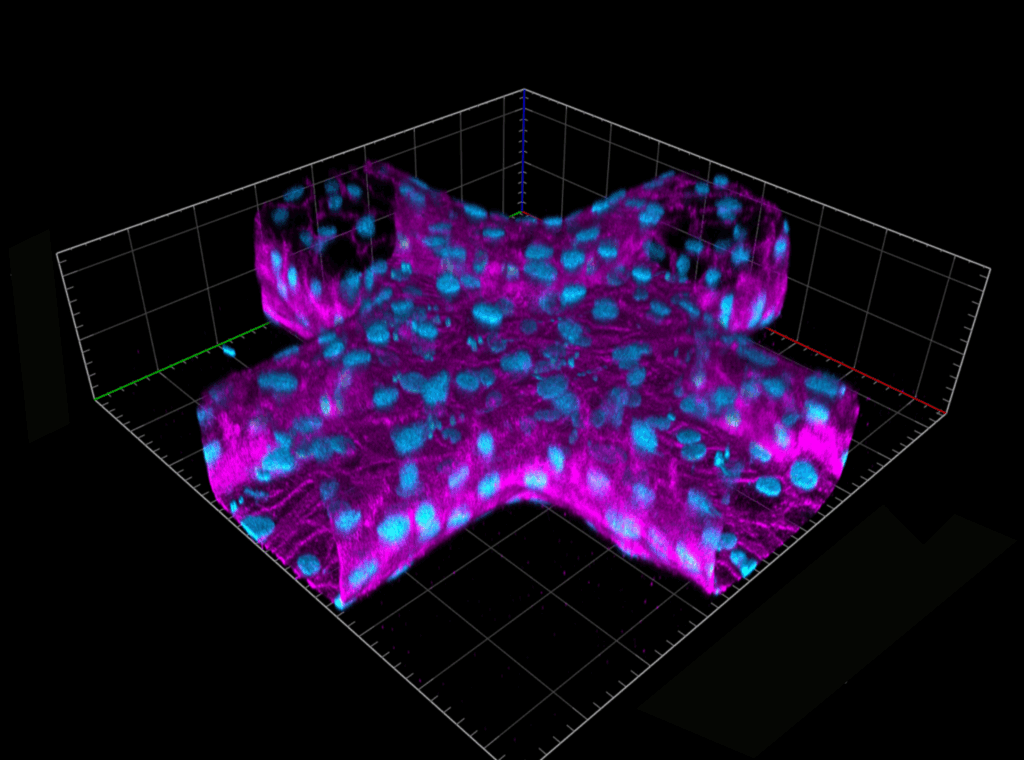
Crossing of 3D perfusable microvessels formed by primary human brain endothelial cells. Junctional VE-Cadherin (magenta) highlights endothelial tight barrier within the collagen hydrogel (black).
In my new lab, I will continue developing 3D bioengineered, tissue-specific microvasculature models to better understand malaria pathogenesis and to explore other vascular infections using a reliable and biomimetic platform.
Why Erlangen?
“My research sits at the intersection of Physics, Bioengineering, and Medicine, and the newly built Max-Planck-Zentrum für Physik und Medizin is the perfect Institute for developing my ideas. MPZPM is a joint research center of the Max-Planck-Institute for the Science of Light (MPL), the Friedrich-Alexander-Universität Erlangen-Nürnberg (FAU), and the clinical site Universitätsklinikum Erlangen. My group will benefit from cutting-edge microscopy, tissue culture, and lab-on-a-chip facilities —an extraordinary and unique combination to have within the same Institute.
The highly interdisciplinary ecosystem, together with the proximity to the clinic and patients, creates a unique environment where fundamental discoveries can be rapidly translated into medical impact. It is the ideal hub for driving innovative infection research into new frontiers.”
Lab essential you can’t live without?
“Our optical tweezers… and a steady flow of chai latte supply to fuel the experiments!”
What do you bring to Infect-Net?
“A biophysics and bioengineering twist on infection diseases coupled with a passion for cross-disciplinary collaborations.”
What local event are you most excited to try in Erlangen?
“I have heard about the Erlangen Poetfest each summer—it sounds fascinating. Time to brush up on my German!”
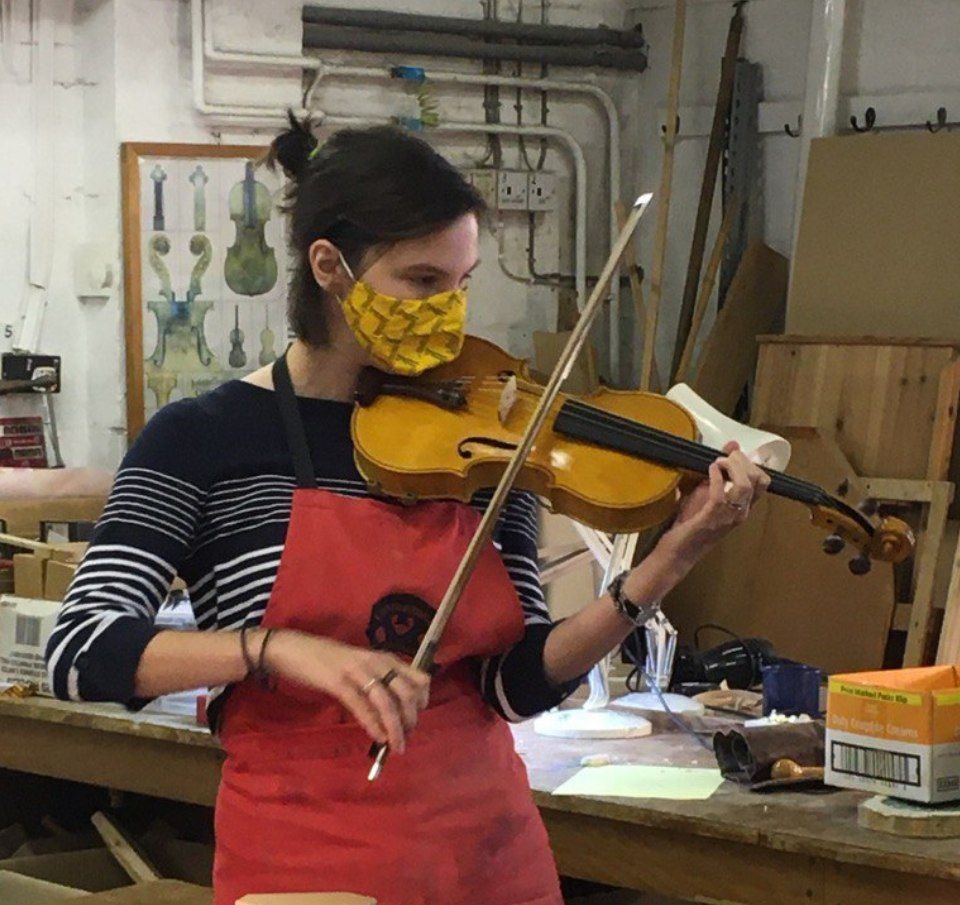
Fun fact: I am passionate about building devices beyond the lab—I crafted my own violin from scratch!
Can you believe that it can be actually played?
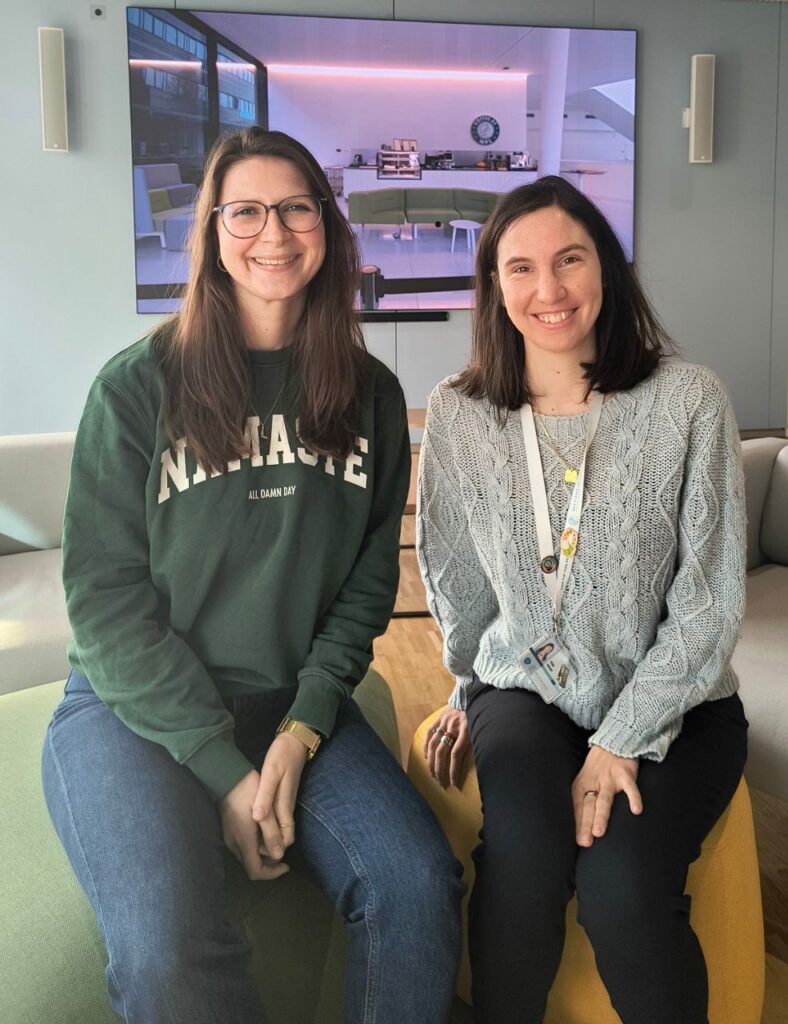
Myself (right) with the first member of my lab Larissa Bauer (left).

 English
  German