
Penicillium Takes the Crown as Microbe of the Year 2026
Dr. Cláudia Vilhena, Friedrich-Alexander-Universität Erlangen Nürnberg, Bacterial Interface Dynamics lab
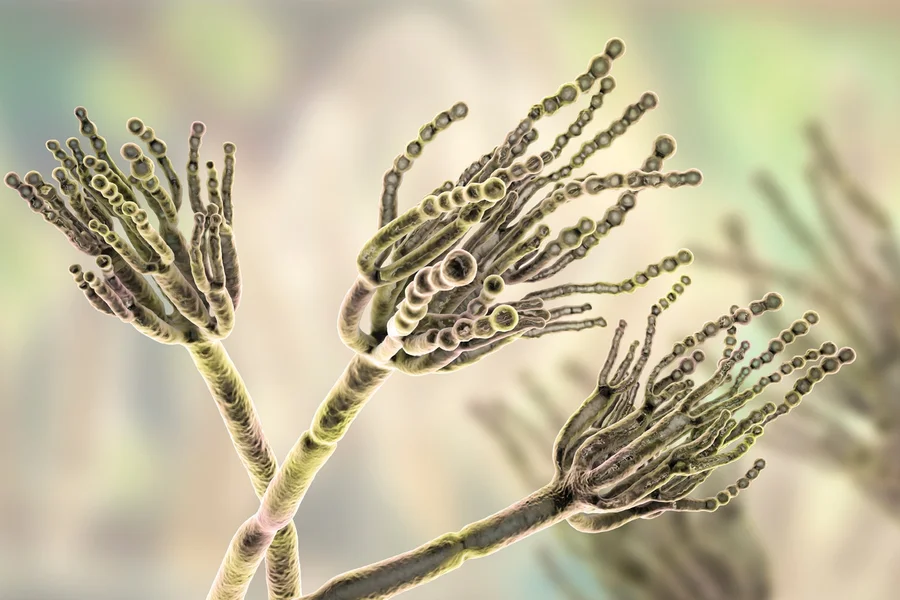
The Association for General and Applied Microbiology (VAAM) has selected Penicillium as the Microbe of the Year 2026, recognizing its extraordinary impact on medicine, food, and biotechnology. Penicillium sometimes jokingly called the fungus “that changed the world,” has shaped human history through its powerful metabolites, most famously penicillin, which has saved millions of lives and transformed modern medicine.
Historical Facts
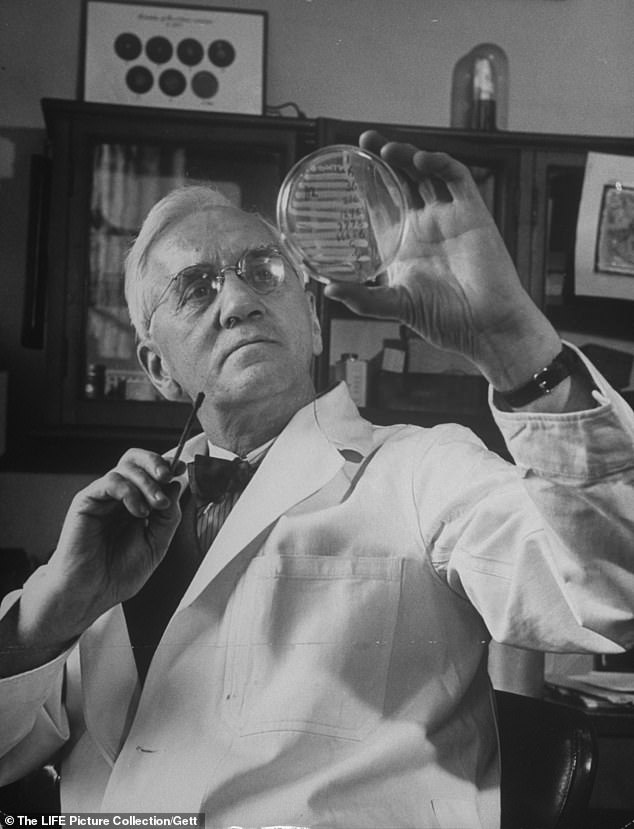
In 1928, Alexander Fleming famously discovered the antibacterial effect of a contaminated bacterial culture caused by Penicillium . What initially appeared as an odd, accidental observation turned out to be one of the most important breakthroughs in medical history. This serendipitous discovery led to the identification of penicillin and, later, to its mass production during World War II. The large-scale availability of penicillin saved countless lives and marked the beginning of the antibiotic era, fundamentally changing how bacterial infections are treated.
Microbiology
Penicillium is a genus of filamentous fungi belonging to the phylum Ascomycota and includes more than 300 species found worldwide. These fungi thrive in diverse environments such as soil, decaying organic matter, and even indoor spaces. The genus is named after its characteristic brush-like conidiophores, from the Latin penicillus meaning “little brush,” which produce chains of asexual spores known as conidia. While most species reproduce asexually, some also have a sexual stage, often associated with the related genus Talaromyces.Ecologically, Penicilliumspecies play an essential role as decomposers, contributing to nutrient recycling and the breakdown of organic material.
Medicine
The most famous contribution of Penicillium is undoubtedly the production of penicillin, the first widely used antibiotic. This discovery revolutionized the treatment of bacterial infections and dramatically reduced mortality from diseases that were once often fatal. Even today, penicillins such as penicillin G and V remain clinically important and form the foundation of many β-lactam antibiotics used worldwide.
Industry
Beyond medicine, Penicillium is also a key player in food production, particularly in cheesemaking. Penicillium camemberti is responsible for the white rind and distinctive flavor of soft cheeses like Camembert and Brie, while Penicillium roqueforti creates the characteristic blue veins, aroma, and taste of blue cheeses such as Roquefort and Stilton. Without these fungi, some of the world’s most iconic cheeses simply would not exist.

In industry and biotechnology Penicilliumspecies are valued for their ability to produce a wide range of enzymes and secondary metabolites. These enzymes are used in processes such as juice clarification, textile pre-treatment, and other applications in food technology and manufacturing. In addition, secondary metabolites from Penicillium are being explored for pharmaceutical applications, including antifungals, signaling molecules, and other biotechnologically relevant compounds, highlighting the continued importance of this genus in innovation and applied science.
References:
 English
  German